
Taking your first one-to-one drum lesson with a Professional London Drummer is an exciting and often transformative step in your musical journey. Whether you are a complete beginner picking up drumsticks for the first time or an adult learner returning to drumming after years away, private tuition offers a focused, supportive, and highly effective learning environment.
Unlike group classes or self-taught online tutorials, one-to-one drum lessons with a Professional London Drummer are designed entirely around you. A professional tutor adapts the pace, content, and teaching style to your individual needs, ensuring you build solid foundations while staying motivated and confident. This article explains in detail what you can realistically expect from your first private drum lesson, how professional tutors structure sessions, and why personalised instruction is widely regarded as the most effective way to learn drums.
How a Professional Drum Tutor Adapts to Different Learning Styles
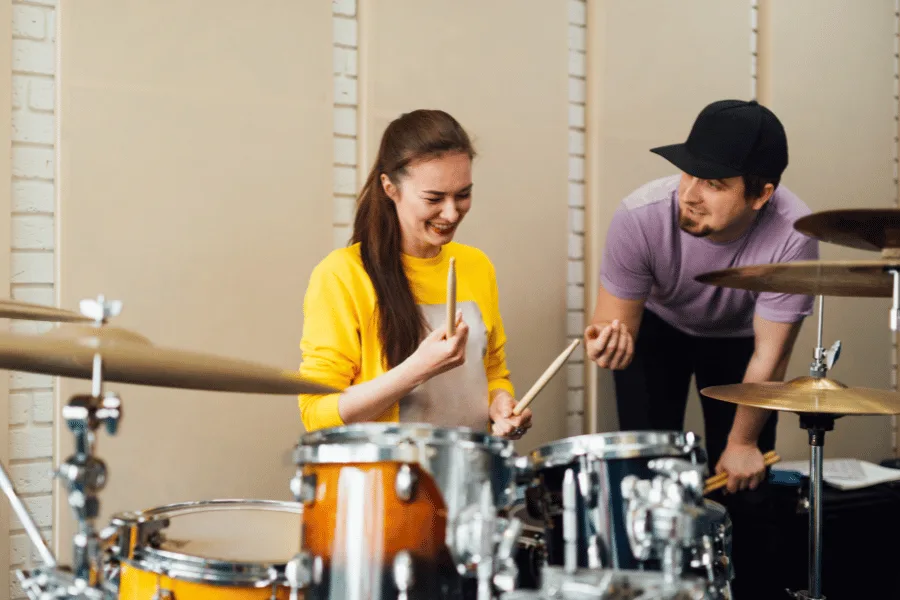
Every student learns differently, and one of the biggest advantages of one-to-one drum lessons is the tutor’s ability to adapt their teaching approach to suit your individual learning style. Professional drum tutors are trained not only as musicians, but also as educators who recognise how people absorb and process information.
Some students learn best by watching demonstrations, while others prefer verbal explanations or hands-on repetition. During your first lesson, a professional tutor will naturally observe how you respond to instructions and adjust their teaching accordingly.
Common learning styles tutors accommodate include:
- Visual learners – Benefit from demonstrations, diagrams, and observing hand and foot movements
- Auditory learners – Learn effectively through spoken explanations, counting aloud, and listening exercises
- Kinesthetic learners – Prefer physically repeating movements and learning through muscle memory
A professional tutor may combine all three approaches to ensure concepts are fully understood. For example, they might demonstrate a rhythm, explain it verbally, and then guide you as you play it yourself.
Why One-to-One Drum Lessons Are Different
One-to-one drum lessons differ significantly from group lessons or video-based learning. The primary advantage is personal attention. Your tutor is focused entirely on your playing, posture, timing, and progress, rather than dividing attention among multiple students.
Key benefits of one-to-one drum tuition include:
- Lessons tailored to your age, experience, and musical taste
- Immediate feedback and correction
- Faster identification of strengths and weaknesses
- Flexible lesson pacing
- Clear, structured progression
Professional drum tutors are trained to observe small details that beginners often miss, such as grip tension, posture issues, or timing inconsistencies. Addressing these early helps prevent bad habits that can slow progress later.
Preparing for Your First Drum Lesson
What You Should Bring
Most professional tutors provide a fully equipped teaching space, including a drum kit, practice pads, and learning materials. However, being prepared helps you feel more comfortable and confident.
You should bring:
- Your own drumsticks (standard 5A sticks are ideal for beginners)
- Comfortable clothing that allows free movement
- A notebook or notes app for key points
- Any musical references you enjoy listening to
You do not need to own a drum kit before your first lesson. Many beginners start with lessons only and invest in equipment later once they understand their needs.
The First Conversation: Setting Goals and Expectations
Your first lesson usually begins with a short conversation. This is not a test, but an opportunity for the tutor to understand you as a learner.
Topics often discussed include:
- Your musical background (if any)
- Why you want to learn drums
- Musical styles you enjoy
- Short-term and long-term goals
This discussion allows the tutor to personalise your lessons from the outset. Whether your goal is playing in a band, improving coordination, or simply enjoying a new hobby, professional tutors align their teaching approach accordingly.
Understanding Lesson Structure
A professional one-to-one drum lesson follows a clear structure designed to maximise learning while keeping the experience enjoyable and pressure-free.
Typical First Lesson Structure
| Lesson Phase | What Happens |
| Introduction | Goal setting and background discussion |
| Setup & Posture | Seat height, drum positioning, balance |
| Technique Basics | Stick grip and basic strokes |
| Rhythm Training | Counting, timing, and pulse |
| Playing the Kit | Learning a simple beat |
| Practice Advice | Clear guidance for home practice |
This structure ensures beginners are not overwhelmed, while still leaving the lesson feeling productive and rewarding.
Posture, Setup, and Ergonomics
One of the most important aspects of your first drum lesson is learning how to sit and position yourself correctly at the drum kit. Poor posture can lead to discomfort, tension, and even injury over time.
Your tutor will guide you through:
- Correct stool height
- Balanced seating position
- Distance from the snare and pedals
- Relaxed arm and wrist positioning
Proper ergonomics improve control, endurance, and comfort, making practice more enjoyable and sustainable.
Learning Proper Stick Technique
Professional tutors prioritise technique from the very beginning. While it may seem basic, correct grip and stroke technique are essential for long-term progress.
You will likely learn:
- Matched grip fundamentals
- Relaxed hand positioning
- Wrist-driven strokes
- Rebound control
Developing good technique early prevents strain and allows you to play faster, cleaner, and with greater dynamic control as you progress.
Rhythm, Timing, and Counting
Drumming is fundamentally about rhythm. Many beginners worry that they “have no rhythm,” but timing is a learnable skill.
Your tutor will introduce:
- Basic counting systems
- Understanding pulse and tempo
- Simple time signatures (often 4/4)
- Playing with a metronome
These exercises build your internal clock, which is one of the most valuable skills a drummer can develop.
Playing Your First Drum Beat
One of the most exciting moments in a first lesson is playing a full drum beat. Most professional tutors ensure students experience this early to boost motivation and confidence.
You may learn:
- A basic rock or pop beat
- Coordinating hands and feet
- Keeping a steady tempo
- Playing along with simple patterns
Even simple beats help you feel like a real drummer from day one.
Musical Styles and Personalisation
Professional tutors understand that students are more motivated when lessons align with their musical interests. Your tutor may ask about bands or genres you enjoy and introduce relevant rhythms.
| Style | Skills Introduced |
| Rock | Strong backbeats and consistency |
| Pop | Groove and timing accuracy |
| Funk | Control and coordination |
| Jazz | Swing feel and dynamics |
| Metal | Endurance and foot technique |
This flexibility keeps lessons engaging and relevant to your personal goals.
Practice Guidance Between Lessons
A key advantage of one-to-one tuition is receiving clear, structured practice advice. Rather than guessing what to work on, your tutor gives you specific exercises and goals.
Typical beginner practice advice includes:
- Short, focused practice sessions
- Repeating core exercises slowly
- Using a metronome regularly
- Prioritising accuracy over speed
Consistency matters more than long practice sessions. Even 10–20 minutes a day can produce excellent results.
How Progress Is Measured
Professional tutors track progress carefully to ensure steady improvement.
Progress is often measured through:
- Technique refinement
- Improved coordination
- Increased tempo control
- Cleaner execution of rhythms
Regular feedback ensures you always know where you are improving and what to focus on next.
Online vs In-Person One-to-One Lessons
Both online and in-person drum lessons can be effective when taught by experienced professionals.
| Feature | In-Person Lessons | Online Lessons |
| Physical correction | Excellent | Limited |
| Convenience | Moderate | High |
| Equipment access | Full kit | Depends on setup |
| Feedback quality | Very high | High |
Many students choose a mix of both formats depending on availability and schedule.
Common Beginner Concerns Reassured
Professional tutors are experienced in helping beginners overcome common fears.
- Feeling nervous is normal
- Mistakes are part of learning
- Progress is individual, not competitive
A supportive learning environment is a core part of professional tuition.
Why Professional Guidance Matters Long-Term
Learning drums with a professional tutor reduces frustration, prevents bad habits, and accelerates progress. One-to-one lessons provide clarity, structure, and accountability that self-teaching often lacks.
Over time, students develop:
- Strong technical foundations
- Musical confidence
- Consistent timing
- Enjoyment and motivation
Frequently Asked Questions
Do I need prior experience for a one-to-one drum lesson?
No experience is required. Professional tutors regularly teach complete beginners.
How long is a private drum lesson?
Most one-to-one drum lessons last between 30 and 60 minutes.
What age can start one-to-one drum lessons?
Children from around six years old through to adults of any age can learn drums.
How often should I take drum lessons?
Weekly lessons are ideal for consistent progress and skill retention.
Will I need my own drum kit at home?
A practice pad is enough initially, though a drum kit is recommended as you progress.\
Conclusion
Your first one-to-one drum lesson with a professional tutor is about far more than simply learning how to hit the drums. It is the starting point of a structured, supportive, and personalised learning journey designed to help you build strong foundations from day one. Through expert guidance, careful assessment, and tailored instruction, a professional tutor ensures that you develop correct technique, solid timing, and musical confidence without feeling overwhelmed or rushed.
By understanding what to expect, from posture and grip to rhythm, coordination, and practice planning, you can approach your first lesson with clarity and confidence. One-to-one tuition removes uncertainty, replaces guesswork with direction, and creates an environment where progress feels achievable and enjoyable.

London-based freelance drummer and drum tutor with 20 years of experience. Works with bands and students, offers beginner to advanced drum lessons, and is available for live, touring, and studio sessions across multiple genres.


